
Fencing Laws and Regulations Every Brisbane Homeowner Should Know
Installing a new fence can improve privacy, security, and street appeal—but before you start digging post holes, it’s important to understand the fencing laws and regulations that apply in Brisbane. Whether you're replacing an old boundary fence or building a new one, complying with Queensland legislation and local council requirements can help you avoid disputes, fines, or costly rebuilds.
Need a licensed fencing contractor who understands Brisbane regulations? Visit our fencing Brisbane page to book a free site visit.
In this guide, we break down the key fencing rules every Brisbane homeowner should know.
1. Understanding the Neighbourhood Disputes (Dividing Fences and Trees) Act 2011
In Queensland, most residential fencing matters are governed by the Neighbourhood Disputes (Dividing Fences and Trees) Act 2011. This legislation outlines the rights and responsibilities of property owners when it comes to boundary (dividing) fences.
What Is a Dividing Fence?
A dividing fence is a fence that separates two adjoining properties. It can be located directly on the boundary line or slightly offset depending on property agreements.
Who Pays for the Fence?
In most cases:
Neighbours are required to share the cost of a “sufficient dividing fence.”
A sufficient fence is one that is considered reasonable for the type of properties and area (e.g., residential suburban fencing standards).
If one neighbour wants a more expensive fence (e.g., decorative or higher-end materials), they may need to cover the additional cost beyond a standard fence.
Before starting construction, you must issue a Notice to Contribute to your neighbour outlining the proposed work and cost-sharing arrangement.

2. Brisbane City Council Height and Design Regulations
While dividing fences are governed by state law, the Brisbane City Council (BCC) sets regulations around fence height, visibility, and safety.
Standard Height Limits
In most residential zones:
Side and rear boundary fences can typically be up to 2 metres high without requiring approval.
Front fences generally have stricter height limits—often around 1.2 metres, particularly if they are solid fences.
However, height allowances can vary depending on zoning, overlays, or character areas (such as heritage precincts).
If you’re unsure whether your project requires council approval, it’s wise to speak with experienced contractors who specialise in professional fencing services in Brisbane to ensure everything is compliant before installation begins.
3. Fences in Character and Heritage Areas
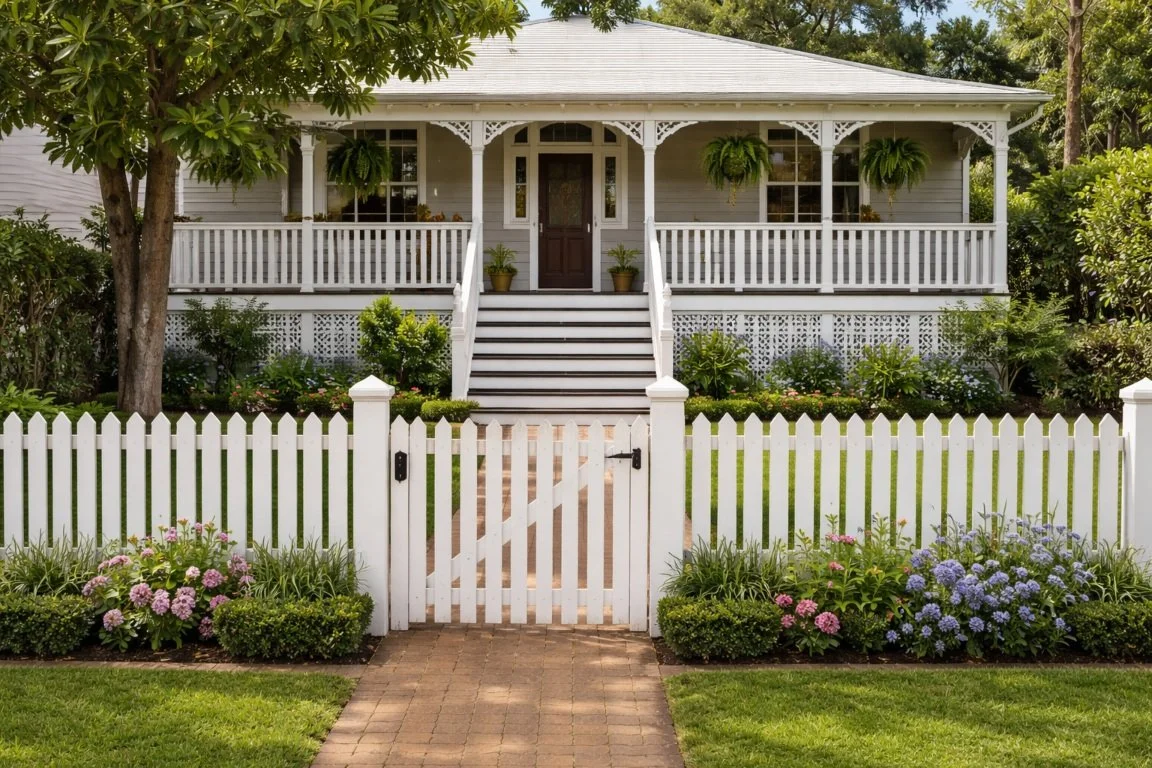
Brisbane has many traditional Queenslander homes and character-protected suburbs. If your property is located in a:
Character residential zone
Heritage overlay area
Traditional building character overlay
You may face stricter design requirements.
Council may regulate:
Fence materials (e.g., timber pickets over Colorbond in some areas)
Fence height at the front of the property
Visual compatibility with the home’s architectural style
Before installing or replacing a fence in these areas, always check planning requirements or consult a local expert familiar with Brisbane regulations.
4. Pool Fencing Compliance
If you have a swimming pool, fencing laws become significantly stricter due to Queensland’s pool safety regulations.
Key Pool Fence Requirements:
Minimum height of 1200mm
Gaps must not exceed 100mm
Self-closing and self-latching gates
Non-climbable zones around the fence
Pool fencing must comply with the Queensland Development Code (QDC) and pass safety inspections. Non-compliance can result in significant fines.
When upgrading or installing a compliant barrier, working with specialists in Brisbane fencing installation and compliance can help ensure your pool area meets all legal safety standards.

5. Boundary Location and Survey Considerations
Before building a fence, it’s essential to confirm the exact boundary line.
Many fencing disputes arise because:
A fence is mistakenly built inside or outside the legal boundary
Old fences were incorrectly positioned
Property markers are missing or unclear
If there’s any doubt about your boundary, hiring a licensed surveyor to mark it out can prevent future legal and financial issues.
6. Retaining Walls vs Fences
Homeowners often confuse retaining walls and fences, but legally they are treated differently.
A retaining wall supports soil and manages changes in ground level.
A fence provides privacy and security.
If your boundary fence sits on top of a retaining wall, responsibility for costs may depend on who benefits from the wall or who altered the land levels.
These situations can become complex, especially on sloped blocks. Seeking professional advice before construction is always recommended.
7. What Happens If You Don’t Follow the Proper Process?
Failing to comply with fencing laws can lead to:
Neighbour disputes
Queensland Civil and Administrative Tribunal (QCAT) proceedings
Orders to remove or modify the fence
Financial penalties in some cases
To avoid conflict:
Communicate clearly with neighbours.
Provide written notices when required.
Ensure council compliance.
Use licensed and experienced fencing professionals.
Ensuring Your Fence Is Compliant and Built to Last
Installing a fence in Brisbane isn’t just about choosing the right material or style—it’s about understanding your legal responsibilities as a homeowner. From cost-sharing with neighbours to height limits and pool safety rules, staying informed can save you time, money, and stress.
By following Queensland legislation, checking council guidelines, and working with trusted providers of fencing services in Brisbane, you can ensure your fencing project is compliant, durable, and built to last.
Wondering how much your fence will cost? Read our complete guide on fencing costs in Brisbane for 2026 with per-metre pricing for every material.
If you're planning a new fence or replacement, consulting experienced local professionals before construction begins is always the smartest first step.
